Forty years of work. One surprising report card.
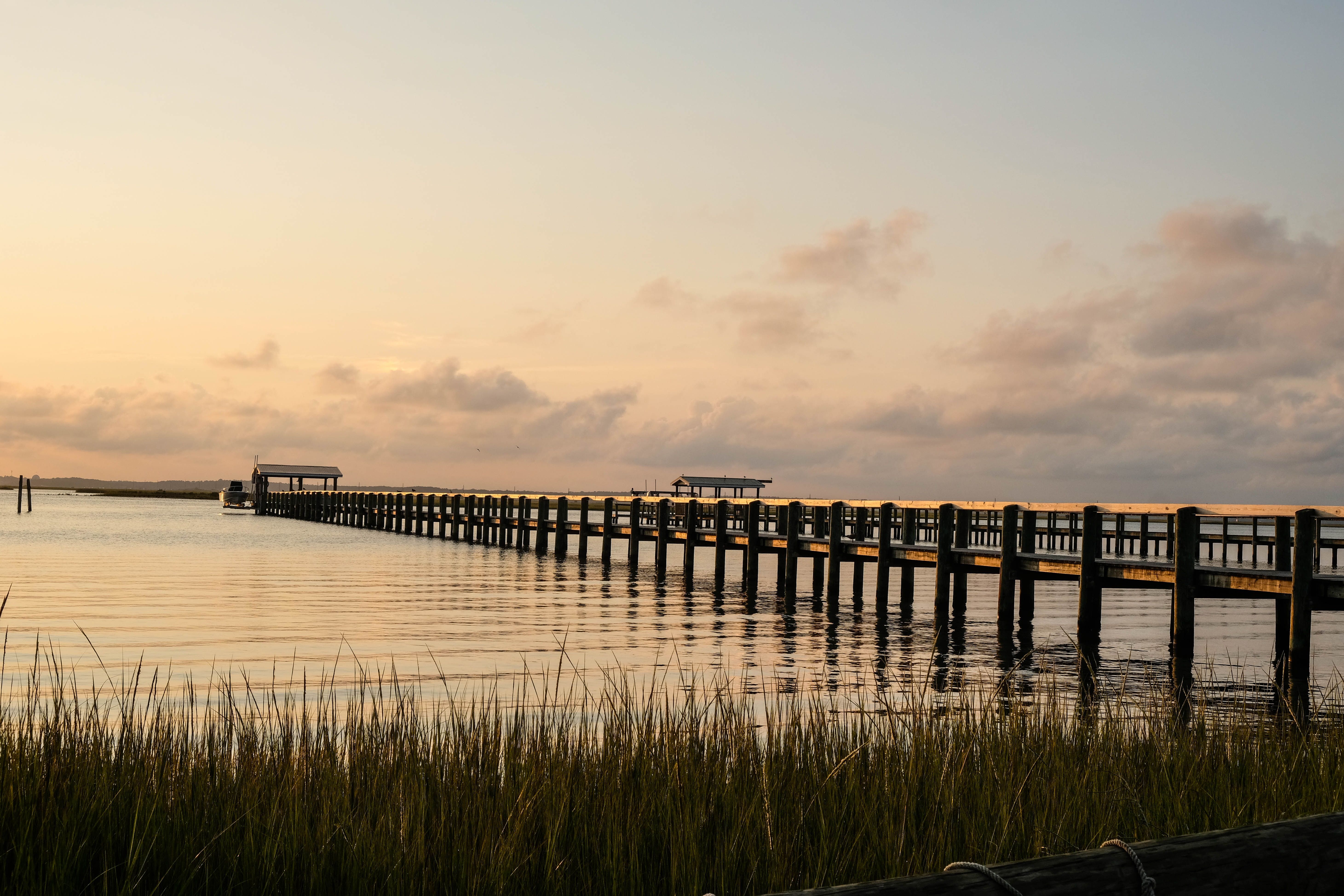
Chesapeake Bay is the largest estuary in the United States—a vast meeting place of rivers and ocean waters that supports fish, crabs, birds, and communities along its shores.
For generations, pollution from farms, cities, and wastewater has damaged the bay's ecosystems. Excess nutrients have fueled algae growth and reduced the oxygen available to aquatic life.
Restoring something this large was never going to happen overnight.
Scientists, conservation groups, local communities, and government agencies have spent decades reducing pollution, improving wastewater treatment, restoring habitats, and monitoring the results.
Now, the latest report card offers evidence that some of that work is paying off.
Eight of the bay's 15 regions show improving long-term environmental health trends. The Lower Bay earned a B+—the highest score recorded for an individual region.
The findings are encouraging, although favorable weather also helped improve the latest results.